
Categories
Home Maintenance TipsPublished March 24, 2025
Inspecting Exposed Wiring, Cables, and Plugs

Welcome to our Home Maintenance blog, where we prioritize the safety and well-being of your property. In this edition, we'll focus on an essential aspect of home care – inspecting exposed wiring, cables, and plugs to identify potential damage and wear. A proactive approach to electrical maintenance is key to ensuring a secure living environment.
Exposed wiring in a home can be found in various locations, depending on the design and construction of the property.
Here are common areas where you may encounter exposed wiring:
Electrical Outlets and Switches:
- Check outlets and switches for visible wiring. While these are usually covered with faceplates, you may find exposed wiring when installing or replacing them.
Ceiling Fixtures:
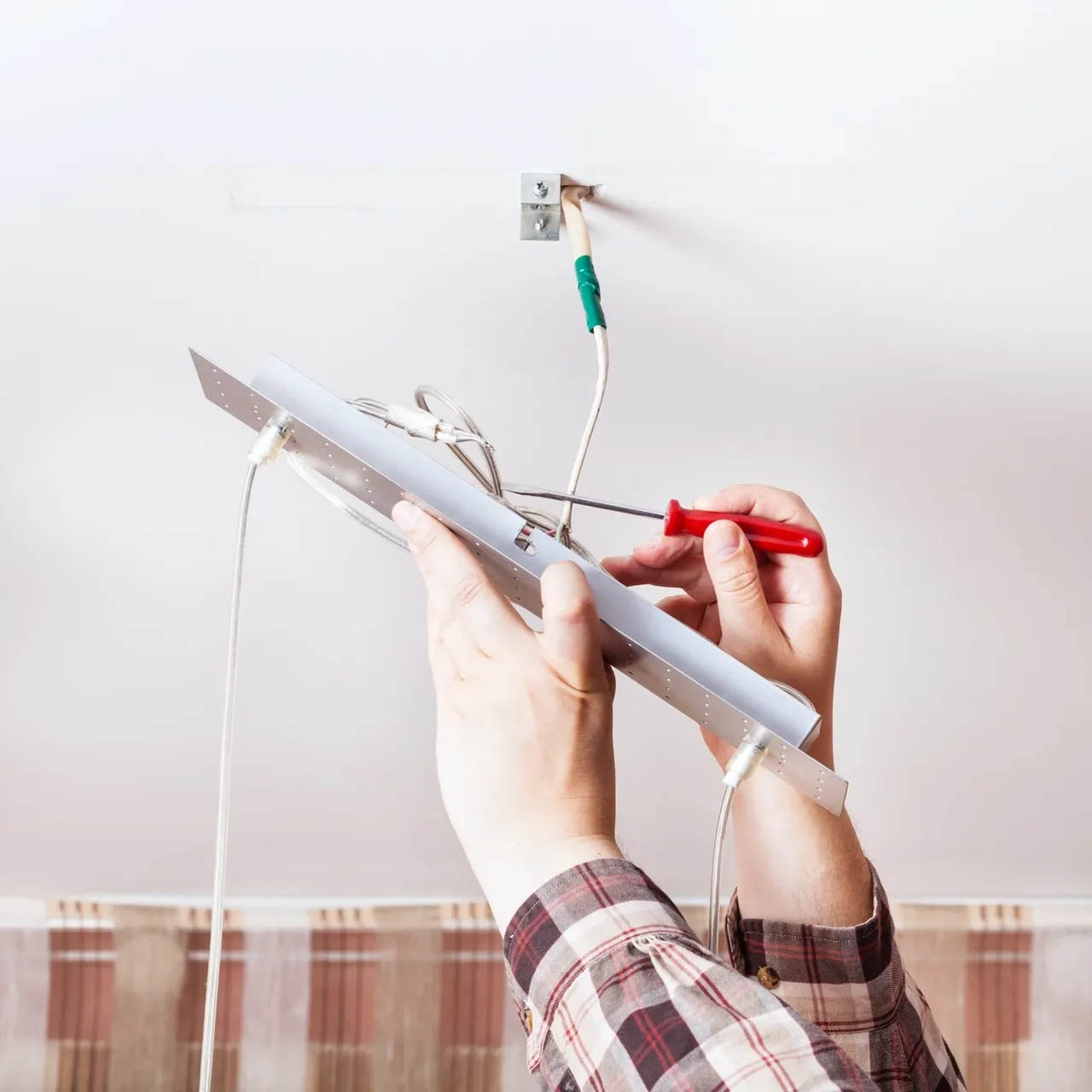
- Lighting fixtures, ceiling fans, and chandeliers often have exposed wiring connections. During installation or maintenance, you may come across visible wires in these areas.
Wall Sconces:
- Similar to ceiling fixtures, wall sconces can have exposed wiring connections that may be visible during installation or maintenance.
Appliances:
- Some appliances, especially those that are hardwired rather than plugged in, may have exposed wiring. This can include ovens, cooktops, and built-in microwaves.
HVAC Systems:
- Heating, ventilation, and air conditioning (HVAC) systems may have exposed wiring in areas like thermostats, air handlers, and furnace units.
Basements and Crawl Spaces:
- In unfinished basements or crawl spaces, you may find exposed wiring running along walls or ceilings. These areas often house the main electrical panel and junction boxes.
Utility Rooms:
- Water heaters, electrical panels, and other utility-related areas may have exposed wiring connections that are visible during maintenance or inspections.
Garages:
- Exposed wiring is common in garages, especially near outlets and light fixtures. Garage door openers and other electrical components may also have visible wiring.
Outdoor Areas:
- External lighting, outlets, and other outdoor electrical features may have exposed wiring. This includes wiring for landscape lighting, security cameras, or outdoor outlets.
DIY Projects:
- In homes where residents have undertaken DIY electrical projects, there might be visible wiring in areas where modifications or installations have occurred.
Things to Check for:
Visual Inspection:
Begin by visually examining all exposed wiring, cables, and plugs throughout your home. Look for any signs of fraying, cracking, or exposed wires. Pay close attention to areas with high foot traffic or where furniture may cause wear over time.
Check for Discoloration:
- Discoloration can indicate overheating, a potential fire hazard. Inspect outlets, switches, and plugs for any unusual color changes. If you notice discoloration, it's crucial to address the issue promptly to prevent further damage.
Tighten Loose Outlets and Switches:
- Loose outlets and switches can pose safety risks. Ensure that all outlets and switches are securely in place. If you encounter any wobbling or movement, it's advisable to tighten or replace them to avoid electrical hazards.
Address Damaged Insulation:
- Insulation around wiring and cables is crucial for preventing electrical shocks and fires. Inspect the insulation for any tears, cuts, or signs of deterioration. Promptly replace damaged insulation to maintain a safe electrical system.
Always exercise extreme caution when dealing with exposed wiring, and if you are unsure or encounter any issues, it's advisable to consult with a qualified electrician to ensure safety and compliance with electrical codes.
This content was generated with the assistance of artificial intelligence. It may contain errors or inaccuracies, and should not be relied upon as a substitute for professional advice.
The instructions provided are general guidelines. Giving Group Realty is not liable for any damages or injuries resulting from their use. Follow manufacturer guidelines, and consult professionals if needed. Use at your own risk.

Tesha Perry
Operator | Giving Group Realty | Keller Williams Premier Partners | PLACE
or another way