Relocating is about more than finding a house. It is about choosing a lifestyle, protecting your budget, and putting down roots in a community that feels like home. For buyers considering a move to th...

Buying your first home is exciting, but knowing where to start can feel overwhelming. From getting pre-approved and understanding your budget to finding the right home, making an offer, navigating inspections and contingencies, and finally getting the keys, there are a lot of moving pieces along the way.
At Giving Group Realty, we believe you should feel informed and confident throughout the process. This guide walks you through the major steps of buying your first home, the costs you should be prepared for, and what to expect from your real estate agent along the way.
Whether you're just starting to explore homeownership or you're ready to begin your search, you don't have to figure out the home-buying process on your own. Whether you have questions about financing, want to understand what you can afford, or are ready to start looking at homes, our team is here to help you take the next step with confidence.
How to Buy Your First Home
Here's a big-picture look at what to expect through the home buying experience.
1. Choose Your Agent
Find someone you can trust.
Absorb their local insight.
Get to know neighborhood inventory.
2. Get Pre-Approved
Understand what you can afford.
Obtain a pre-approval letter.
Prepare for a down payment/earnest money.
3. Find Your Home
Create a list of favorite homes.
Filter the list for ones that best fit your goals.
Schedule home tours with your agent.
4. Make an Offer
Decide on your dream home.
Your agent will write and submit your offer.
Your agent with negotiate the terms for your best interest.
5. Prepare for Closing
Deposit earnest money.
Your agent will schedule a home inspection.
Follow your lender's instructions on home insurance and appraisals.
6. Sign and Get the Keys!
Connect with escrow schedule signing and learn how to wire down payment funds.
The deed is sent to the county to record.
Once recorded, the home is officially yours - Congratulations!
How Much Money Do You Need?
Upfront costs and fees you will need to be ready to pay once you have an offer accepted on a new home!
Earnest Money
Typically 1% of the purchase price
However, if that is not friendly to your budget, your agent may be able to negotiate this cost.
Earnest money is deposited with escrow and held through the transaction and become part of your down payment! Don't worry, we have many protections in the purchase and sale agreement to keep your funds safe.
Home Inspections
Typically $600
We almost always recommend that you include both a Sewer Scope and Radon Test for an average of $150 each.
Home inspection fees are due at the time of service and paid directly to the home inspector. Your bill must be paid in full before the home inspection report is released to you and your agent.
Home Appraisal
$700-$1200 on average
Varies based on your loan type.
Home appraisal fees are paid to the appraisal company or appraisal management company. This fee can typically be paid by credit card, and your lender will direct you to who and how to pay; in some cases, your lender can include this cost in your loan.
WORKING WITH YOUR AGENT
What Is a Buyer Brokerage Services Agreement?
Buying a home is a big decision, and having a clear understanding of your relationship with your real estate agent is an important part of the process.
Your Roadmap to a Successful Home Purchase
A Buyer Brokerage Services Agreement is a formal agreement between you and your chosen real estate agent or brokerage. It establishes a working partnership and outlines how your agent will support you throughout your home search and purchase.
Think of it as a roadmap. It helps make sure you understand what services your agent will provide, how the relationship will work, and what you can expect throughout the process.
What Does It Provide?
01
Personalized Support
Your agent becomes your go-to guide, offering advice and expertise tailored to your needs and goals.
02
Access to Resources
Benefit from your agent's knowledge of the local market, industry relationships, and other resources.
03
Peace of Mind
Know that you have someone helping you navigate the home-buying process and looking out for your interests along the way.
What Does the Agreement Cover?
Duration
The agreement outlines how long the relationship will last, giving you time to find the right home.
Services
It explains the services your agent will provide, from helping you find listings to negotiating the terms of your purchase.
Compensation
The agreement explains how your agent will be compensated, including any agreed-upon arrangements.
Expectations
It establishes expectations for the relationship, including communication, confidentiality, and other responsibilities.
Have Questions About the Buyer Brokerage Services Agreement?
We're happy to walk you through the agreement, explain what it means for you, and answer your questions before you decide whether to move forward.
Talk With Our Team UNDER CONTRACT?
Transaction Do's & Don'ts
Once your offer is accepted, it's important to protect your loan, your finances, and your path to closing. Here's what to keep in mind while you're under contract.
Do
- Stay in close contact with your agent, lender, and escrow agent.
- Complete your required contingencies and meet contract deadlines.
- Schedule and complete your home inspection.
- Review your inspection report and ask questions about anything you don't understand.
- Secure homeowner's insurance and provide proof to your lender.
- Keep the funds you've set aside for closing available.
- Prepare for your final property walkthrough before closing.
- Ask your loan officer before making financial decisions that could affect your loan.
Don't
- Don't change jobs, quit your job, or become self-employed.
- Don't buy a car, truck, RV, trailer, or other major purchase.
- Don't create new debt or open unnecessary credit.
- Don't excessively use credit, cancel credit cards, or miss payments.
- Don't spend the money you've set aside for closing.
- Don't leave out debt or liabilities from your loan application.
- Don't make large deposits or withdrawals without discussing them with your lender.
- Don't change bank accounts.
- Don't co-sign a loan for someone else.
When in doubt, ask before you act.
Your lender approved your mortgage based on a specific picture of your finances. If a decision could affect your income, credit, debt, or savings, talk with your loan officer before making the change.
BUYER EDUCATION
First-Time Home Buyer Glossary
Real estate comes with a lot of new terminology. We've put together some of the most common terms you'll encounter while buying a home, so you can feel more confident throughout the process.
APR
APR, or annual percentage rate, expresses the yearly cost of your loan and includes certain lender fees. Because of this, the APR is usually higher than the mortgage interest rate.
Appraisal
An appraisal is a written opinion of a property's value, primarily based on an analysis of comparable sales of similar nearby homes.
Closing Costs
Closing costs are expenses associated with completing a home purchase. They can include lender fees, recording fees, title insurance, property taxes, homeowner's insurance, and other prepaid or escrow expenses.
Closing Disclosure
A Closing Disclosure is a document that provides an itemized listing of the funds paid or disbursed at closing.
Down Payment
A down payment is the portion of the home's purchase price that the buyer pays at closing. The amount required varies depending on the lender and loan program.
Earnest Money
Earnest money is a deposit a buyer makes into an escrow account after a seller accepts an offer. It demonstrates that the buyer is entering the transaction in good faith and, according to the booklet, typically becomes part of the buyer's down payment.
Equity
Equity is a homeowner's financial interest in a property. It is the difference between the property's value and the amount still owed on the mortgage and other liens.
Escrow
Escrow is the process of placing something of value, such as money or a deed, with a neutral third party until specified conditions are met.
HOA Fee
An HOA fee is a fee associated with living in a community governed by a homeowners association. It typically helps pay for maintenance and improvements to common areas and may include access to community amenities.
Homeowner's Insurance
Homeowner's insurance provides property and liability protection for your home. Lenders typically require borrowers to have homeowner's insurance.
Home Warranty
A home warranty is a contract with a home warranty company that provides discounted repair or replacement services for certain major home components, such as heating and cooling systems, plumbing, and electrical systems.
Lender Fees
Lender fees are costs associated with obtaining a mortgage. They may include application, underwriting, origination, attorney, and recording fees.
Mortgage
A mortgage is a loan from a bank, credit union, or other financial institution that uses the property as collateral. The borrower makes payments according to the terms of the loan until it is fully repaid.
Mortgage Insurance
Mortgage insurance protects the lender if a borrower defaults on the loan. It is typically required on loans with less than a 20 percent down payment, depending on the loan program.
Prepaids
Prepaids are expenses paid at closing for bills that are not yet technically due, such as property taxes, homeowner's insurance, mortgage insurance, and HOA fees.
Property Taxes
Property taxes are typically imposed by local governments on real property. Tax rates can change annually, and the assessed value of a property is generally recalculated annually.
Third-Party Fees
Third-party fees are closing costs charged by providers other than your lender. They can include appraisal, survey, title search, and title insurance fees.
Have a Question About a Real Estate Term?
You don't need to know all the terminology before you start your home search. Our team is here to explain the process, answer your questions, and help you understand what each step means for your purchase.
Ask Our TeamFirst-Time Home Buyer FAQs
Buying your first home comes with a lot of questions. Here are answers to some of the most common questions we hear from first-time home buyers in Clark County, WA.
How much money do you need to buy a home?
The amount you need depends on your loan program, purchase price, down payment, and other costs associated with the transaction. Buyers may need funds for a down payment, earnest money, home inspections, an appraisal, closing costs, and prepaid expenses. Different loan programs and lenders have different requirements, so your lender can help you determine how much you should plan to have available.
What are earnest money, closing costs, and other home-buying expenses?
In addition to your down payment, there are several other expenses to plan for when buying a home. Earnest money is deposited with escrow after your offer is accepted and is typically applied toward your down payment at closing. Buyers may also have expenses for a home inspection, appraisal, closing costs, title and escrow services, homeowner's insurance, property taxes, and other prepaid or third-party fees.
What happens after your offer is accepted?
Once your offer is accepted, you'll officially be under contract and begin working through the next steps of the transaction. Your lender will move forward with the loan and appraisal, escrow will conduct a title search, and you'll work through any contingencies outlined in your contract. Your agent will also help coordinate the home inspection, review the inspection results with you, and negotiate repairs when appropriate.
What are home inspections, appraisals, and contingencies?
A home inspection gives you an opportunity to learn more about the condition of the property, while an appraisal provides an opinion of the home's value for the lender. Contingencies are conditions or requirements that must be satisfied during the transaction. Your agent will help you understand the contingencies in your purchase agreement, keep track of important deadlines, and navigate the process.
What should you not do before closing on a home?
Avoid making major financial changes between loan approval and closing. This includes changing jobs, buying a vehicle or other large purchase, creating new debt, opening unnecessary credit, spending money you've set aside for closing, making large unexplained deposits or withdrawals, changing bank accounts, or co-signing a loan. If a financial decision could affect your income, credit, debt, or savings, talk with your loan officer before making the change.
What is a Buyer Brokerage Services Agreement?
A Buyer Brokerage Services Agreement is a formal agreement between you and your real estate agent that establishes your working relationship. It outlines the services your agent will provide, the duration of the agreement, compensation, and expectations for both parties. It creates a clear partnership so you know what to expect from your agent throughout your home search and purchase.
What real estate terms should first-time home buyers know?
Buying a home introduces you to terms such as earnest money, escrow, appraisal, closing costs, down payment, equity, mortgage insurance, prepaids, and closing disclosure. Understanding these terms can make the buying process feel much less overwhelming. Our Home Buyer Glossary explains the terminology you'll encounter throughout your transaction.
Why work with Giving Group Realty?
Buying your first home involves more than finding a property you love. Our team helps you understand the local market, schedule and coordinate showings, write and negotiate your offer, navigate inspections and contingencies, and stay on track through closing. Giving Group Realty provides a full-service experience supported by dedicated listing and transaction coordinators and marketing professionals, with more than 21 years of local market expertise through Tesha Perry.
Ready to start your home search?
You don't have to figure out the home-buying process on your own. Whether you're just starting to explore homeownership or you're ready to begin looking at homes, our team can help you understand your options, create a plan, and take the next step with confidence.
Connect with Giving Group Realty to get started.
Start Your Home Search
Search for homes wherever you are
When buying a home, start by making a wish list and setting a budget. We can help you choose a lender so you can be pre-approved for a loan, and then you're ready to start searching for the perfect property. You can search for homes using my website from any device including your computer, laptop, tablet, or smartphone.
When you save a search on our site, any new homes matching your wish list criteria will be delivered straight to your inbox the moment they go up for sale.
Click the icon when you find a house you love to save it in your favorites section and let us know you like it. Hit "See This Listing" or reach out to your agent directly to schedule an in-person showing. We're happy to walk you through the home and answer any questions, so you can make an informed decision.
Start Searching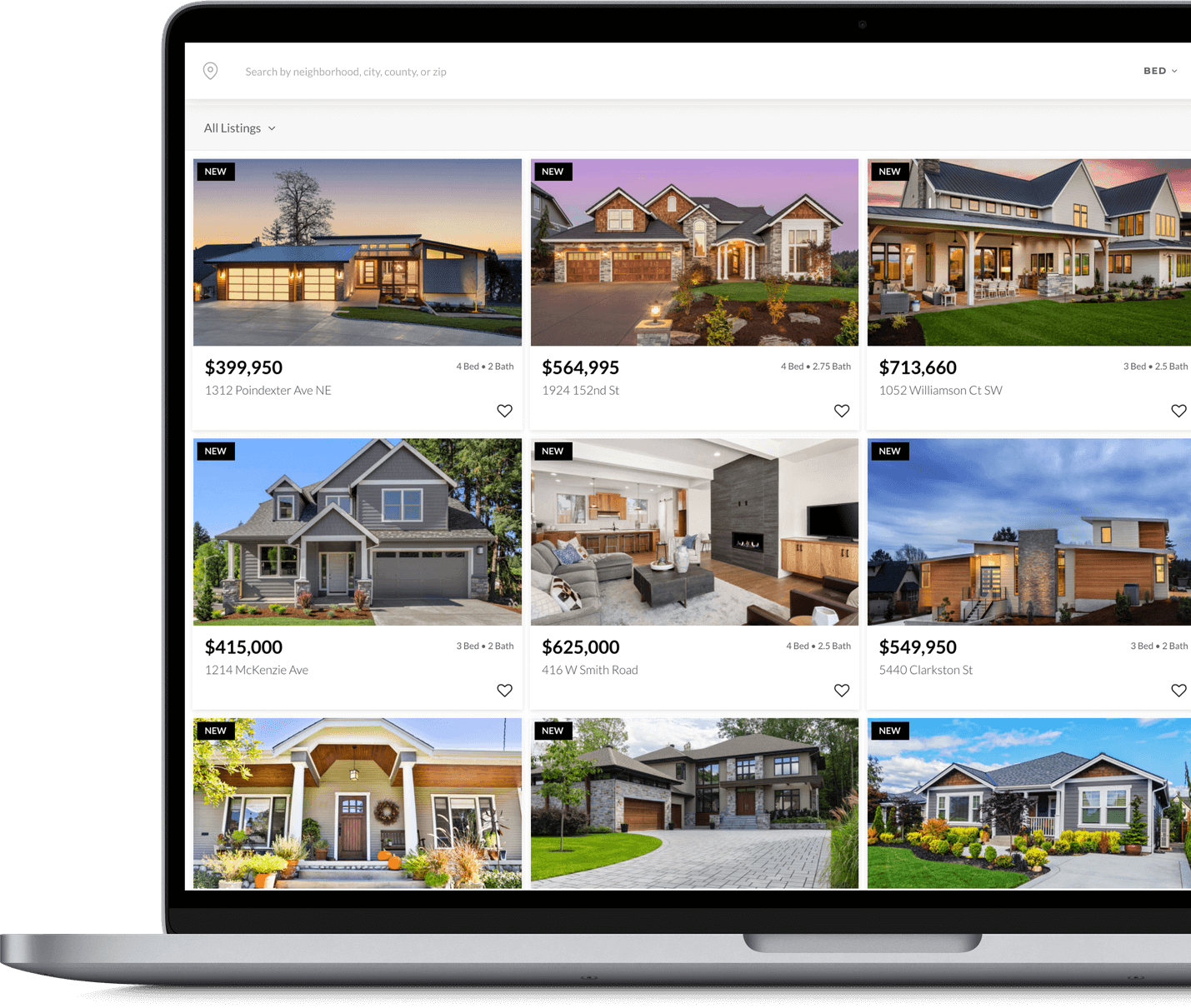
Portland Metro Real Estate Market Update: What Buyers and Sellers Need to Know in August 2026
If you're thinking about buying or selling a home in the Portland Metro area, you may be wondering whethe...
Clark County Real Estate Market Update: What Buyers and Sellers Need to Know in August 2026
If you’ve been wondering what is actually happening in the Clark County, Washington real estate marke...
For many Clark County buyers, the biggest question this fall is simple: Should I buy now, or wait? It is a reasonable question, especially if you are watching mortgage rates, scrolling through new lis...
Summer has long been considered the most convenient season to move. School is out, daylight stretches later into the evening, and many households have more flexibility to coordinate a purchase, sale, ...
Buying New Construction vs. a Resale Home: Which Is Right for You?
When you're shopping for a home, one of the first decisions you'll face is whether to buy a brand-new construction home or a...
For buyers considering a move in Clark County, the weeks before summer ends can be a practical window to take action. Whether you are buying your first home, moving up for more space, or relocating to...
The Portland Metro real estate market stayed active and steady in July 2026. Whether you are thinking about buying a home in Portland, preparing to sell a Portland-area property, or exploring a career...
If you have been wondering whether it is a good time to buy or sell a home in Clark County, Washington, July brought a reassuring answer: the Southwest Washington real estate market is moving at a ste...