
Categories
Home Maintenance TipsPublished March 24, 2025
Shockingly Simple Home Safety: Don't Let Sparks Fly!

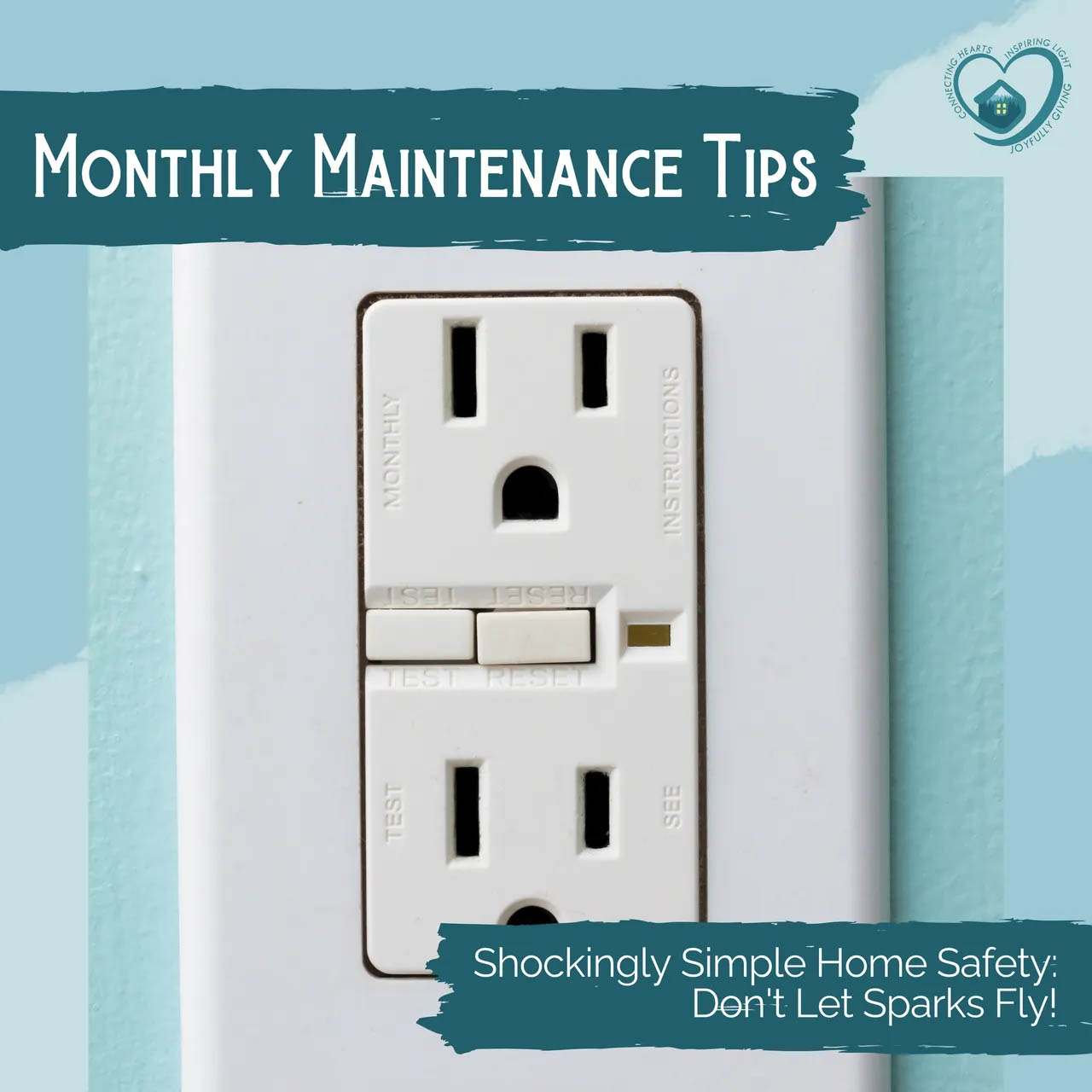
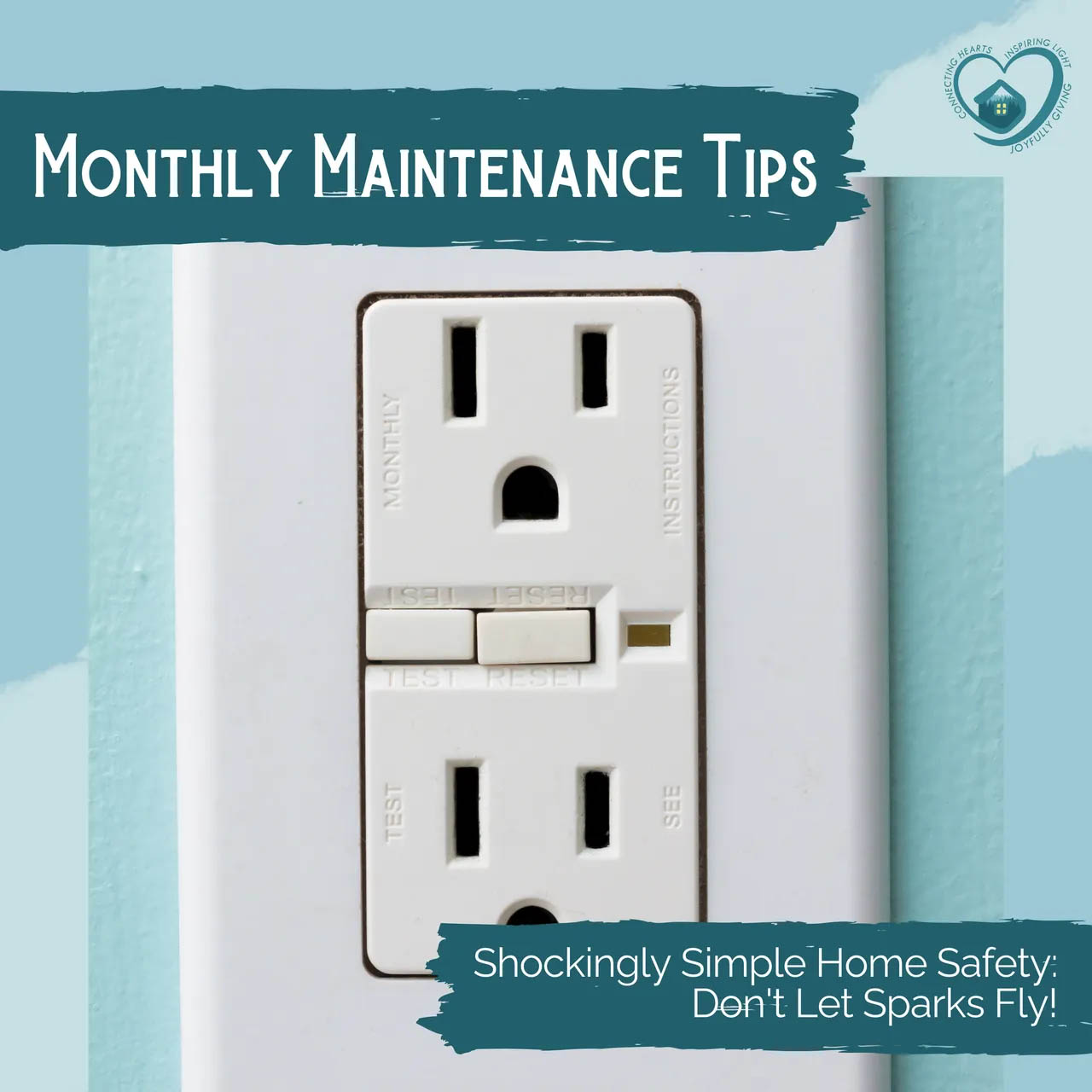
Greetings homeowners! Today, let's embark on a journey to demystify the world of Ground Fault Circuit Interrupter (GFCI) outlets – the unsung heroes in our electrical systems.
What's a GFCI?
Imagine your home's electrical system as a bustling city. The GFCI is like a vigilant superhero, standing guard to ensure the safety of every citizen (or appliance). It's there to detect even the tiniest irregularities in the electrical flow and spring into action, preventing potential shocks.
GFCI Hide and Seek: Where Are They?
Our elusive GFCI outlets often play a game of hide and seek. Common hiding spots include kitchens, bathrooms, basements, and outdoor areas. They're like little guardians strategically placed where water and electricity might decide to dance a dangerous tango.
The Quest for Safety: How to Check Your GFCI Outlets
- Visual Inspection: First, give your GFCI outlets a once-over. Any cracks, discoloration, or oddities? If yes, it might be time to call in the reinforcements (a.k.a. a qualified electrician).
- Test Button: Every GFCI outlet has a test button – consider it the superhero signal. Press it and see if the connected devices lose power. If they do, congratulations, your GFCI is on high alert!
- Reset: After the test, hit the reset button to restore power. It's like giving your superhero a pep talk, preparing them for the next potential hazard.
A Final Word of Wisdom
Remember, electrical safety is no laughing matter, but that doesn't mean we can't approach it with a smile. So, go forth, brave homeowners, armed with the knowledge of GFCI outlets.
This content was generated with the assistance of artificial intelligence. It may contain errors or inaccuracies, and should not be relied upon as a substitute for professional advice.
The instructions provided are general guidelines. Giving Group Realty is not liable for any damages or injuries resulting from their use. Follow manufacturer guidelines, and consult professionals if needed. Use at your own risk.

Tesha Perry
Operator | Giving Group Realty | Keller Williams Premier Partners | PLACE
or another way